
الهه کمالی
July 29, 2026
What Is a Fire Protection System and How Does It Work?
What Is a Fire Protection System?
Introduction to Fire Alarm Systems
Types of Fire Alarm Systems
Conventional Fire Alarm System
Addressable Fire Alarm System
Introduction to Fire Suppression Systems
Types of Fire Suppression Systems
Water Fire Suppression System
Gas Fire Suppression System
Dry Chemical Fire Suppression System
Foam Fire Suppression System
Manual Fire Suppression System (Fire Extinguishers)
Water Distribution and Ventilation Systems
Conclusion
الهه کمالی
In everyday life, whether at home or in workplaces, there is always a possibility that a small mistake could lead to a fire. For this reason, modern technologies have been developed to help prevent fires or control them quickly if they occur. One of the most important of these technologies is the fire protection system, which we will explain in detail below.
What Is a Fire Protection System?
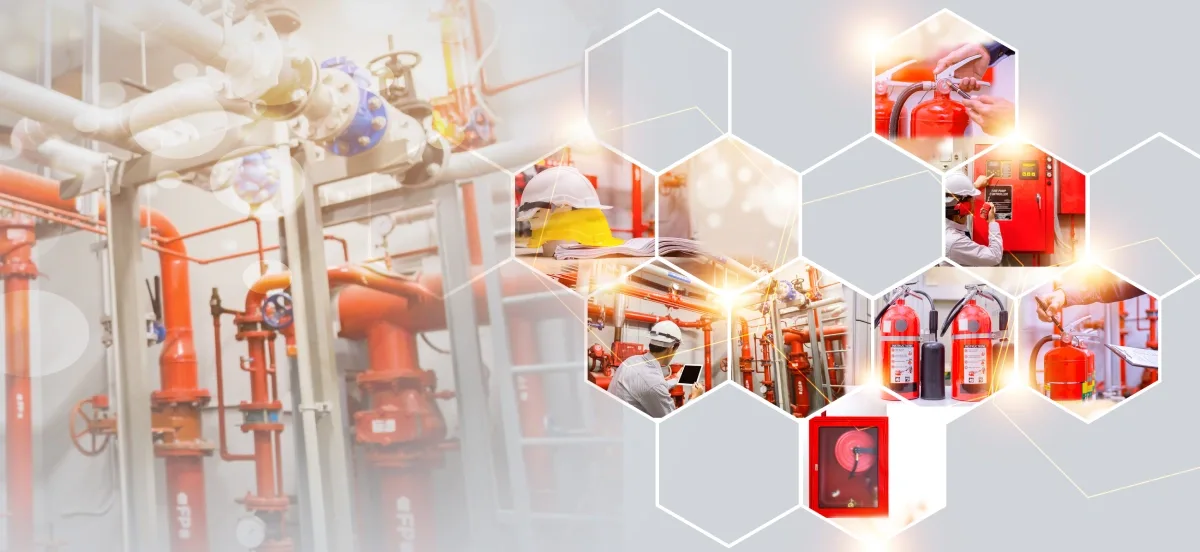
A fire protection system is a set of equipment and engineering methods designed to prevent the start of a fire, detect it quickly (fire alarm system), and ultimately control and extinguish it (fire suppression system).
These systems use various technologies to monitor an environment for signs such as smoke, temperature increase, or gas leakage, and if necessary, they issue safety alerts.
Let’s take a closer look at the key components of fire protection systems and the technologies used in them.
Introduction to Fire Alarm Systems
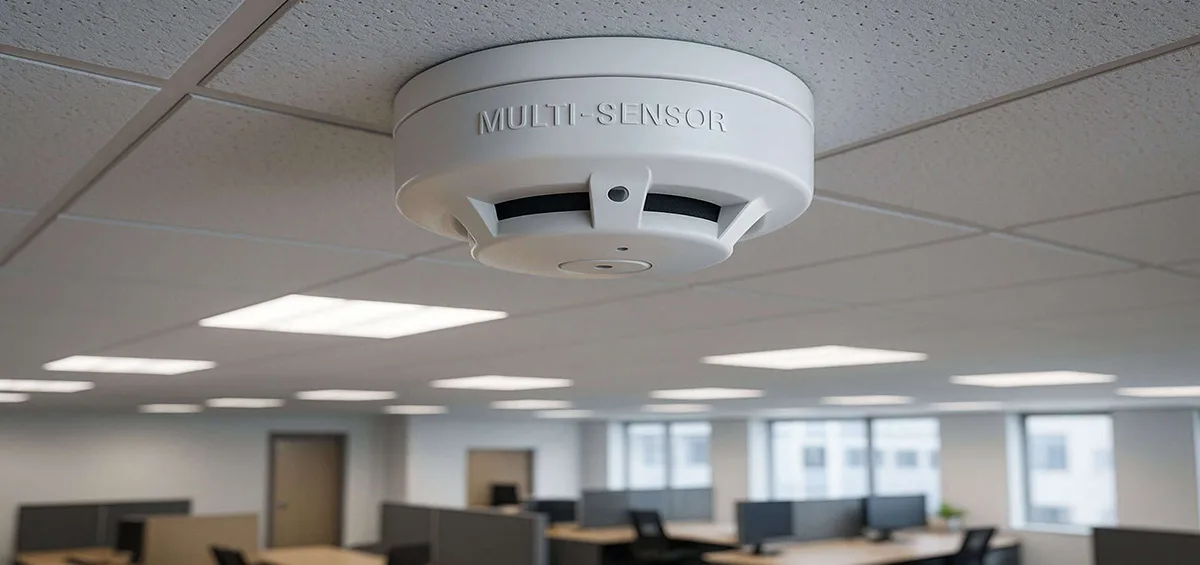
The first and most important part of a fire protection system is the fire detection and alarm section. This part includes detectors or sensors installed throughout the building that can identify smoke, heat, or gases such as carbon monoxide.
When abnormal conditions are detected, the system automatically activates sounders and strobe lights to generate audible and visual warnings so that people can quickly evacuate the area and take initial safety measures.
To enhance safety and improve system performance, special communication equipment is often used to create a connection between the fire alarm system and the fire suppression system. In this way, when alarms are activated, a fire signal is also sent to the suppression system so that safety actions can begin immediately until firefighters arrive.
Types of Fire Alarm Systems
Fire alarm systems are generally divided into two main categories:
Conventional Fire Alarm System
In conventional systems, a building is divided into several zones or areas. When a fire is detected in one zone, the control panel can only indicate which zone the fire originated from, but it cannot determine the exact detector location.
This type of system is commonly used in small to medium‑sized buildings and typically has a lower installation cost.
Addressable Fire Alarm System
In addressable systems, every detector or manual call point has a unique address. When a fire occurs, the exact location of the device is displayed on the control panel.
These systems offer much higher accuracy and monitoring capability and are therefore suitable for large buildings, hospitals, commercial complexes, and industrial projects.
Introduction to Fire Suppression Systems
After a fire alarm is triggered, the fire must be controlled and contained until firefighters arrive. The fire suppression system is the second major part of a fire protection system and uses different extinguishing methods depending on the type of combustible material.
In many buildings, sprinkler systems are the most common fire suppression tool. These devices are usually installed on ceilings and activate automatically when the ambient temperature rises above a specific threshold, releasing water directly onto the fire.
However, water is not suitable for every environment. For example, in data centers, factories, or specialized industrial areas, extinguishing gases or foam are often used instead of water.
Types of Fire Suppression Systems
The choice of a suppression system depends on the type of combustible materials, the function of the space, and the level of risk. Below are some of the most common fire suppression systems.
Water Fire Suppression System
The water‑based fire suppression system is one of the oldest and most widely used fire protection methods in buildings and industrial facilities.
This system typically consists of automatic sprinklers that activate after receiving a fire signal or detecting a significant temperature rise, releasing water directly onto the flames.
Gas Fire Suppression System
In this type of fire protection system, clean and inert gases are used instead of water to extinguish fires. These gases work by reducing oxygen levels in the environment or interrupting the chemical reactions of combustion.
Gas systems such as FM‑200, Novec 1230, and CO₂ are commonly used in server rooms, data centers, electrical rooms, and museums, because they do not damage electronic equipment or valuable documents. Their fast response time and residue‑free operation are major advantages.
Dry Chemical Fire Suppression System
Dry chemical systems use specialized chemical powders to interrupt the combustion process and neutralize fires. Compared with other fire protection methods, this system is particularly effective in controlling Class B (flammable liquids) and Class C (gases) fires.
When discharged, the powder covers the flame surface and stops the chain reaction, extinguishing the fire. These systems are suitable for chemical storage facilities, gas stations, automotive industries, and industrial warehouses, although they require extensive cleaning after activation.
Foam Fire Suppression System
In foam systems, a foaming agent mixed with water is discharged onto the burning material, forming a thick foam layer that blocks oxygen from reaching the fire.
This method is one of the most effective fire protection systems for flammable liquid fires, such as gasoline, oil, or alcohol. Foam systems are widely used in petrochemical plants, fuel storage facilities, refineries, and airports.
Manual Fire Suppression System (Fire Extinguishers)
Fire extinguishers are an important and primary component of any fire protection system, designed to combat fires during their early stages.
They are available in various types such as dry powder, water, foam, and CO₂ extinguishers, and are easy to use. Although this system is not automatic, it plays a vital role in preventing the early spread of fire and reducing damage before emergency responders arrive.
Water Distribution and Ventilation Systems
For a fire suppression system to function properly, it requires a reliable distribution network to deliver water (or foam and gas). Piping systems, fire pumps, and safety valves are all part of this network and ensure that extinguishing agents reach different areas of the building with adequate pressure.
In addition, smoke control and ventilation systems are critical components of a fire protection system. In many fire incidents, smoke is the primary cause of fatalities. Smoke extraction systems remove smoke and toxic gases, making evacuation routes safer and significantly reducing potential damage.
Conclusion
Overall, a fire protection system is a combination of multiple systems designed to detect, control, and suppress fires. Since accidents can occur unexpectedly, installing safety systems helps prevent the spread of fire, reduce potential hazards, and improve overall safety.
You can purchase a wide range of fire alarm and fire suppression equipment through Qpket. To receive free consultation, simply submit your request.