
الهه کمالی
September 2, 2026
Types of Fire Alarm and Suppression Systems
What are the main parts of a fire alarm and suppression system?
What is a fire detection (fire alarm) system?
Main types of fire detection systems
Conventional fire alarm system
Addressable fire alarm system
Wireless fire alarm system
What is a fire suppression (fire extinguishing) system?
Types of fire suppression systems
Sprinkler systems
Foam fire suppression systems
Gaseous fire suppression systems
Chemical (dry or wet) fire suppression systems
Difference between fire detection and fire suppression systems
Key points when selecting a fire detection and suppression system
Requesting price quotations for fire detection and suppression equipment
Conclusion
الهه کمالی
Fire alarm and suppression systems are among the most important building and industrial safety solutions, designed for early fire detection, notification, and fire control. In this article from Qpket, we will review the main types of fire detection and suppression systems; stay with us.
What are the main parts of a fire alarm and suppression system?
In general, a fire detection and suppression system consists of two main parts:
- Fire detection (fire alarm) system
- Fire suppression (fire extinguishing) system
Together, these two subsystems form an active fire protection system whose coordinated operation increases safety and reduces potential losses.
What is a fire detection (fire alarm) system?
A fire detection (fire alarm) system is a set of components and devices that are responsible for detecting fire and providing early warning. By identifying smoke, heat, or flame, the system sends the necessary alarms to building occupants or operators so that appropriate actions can be taken in the shortest possible time.
A typical fire detection system is composed of the following devices:
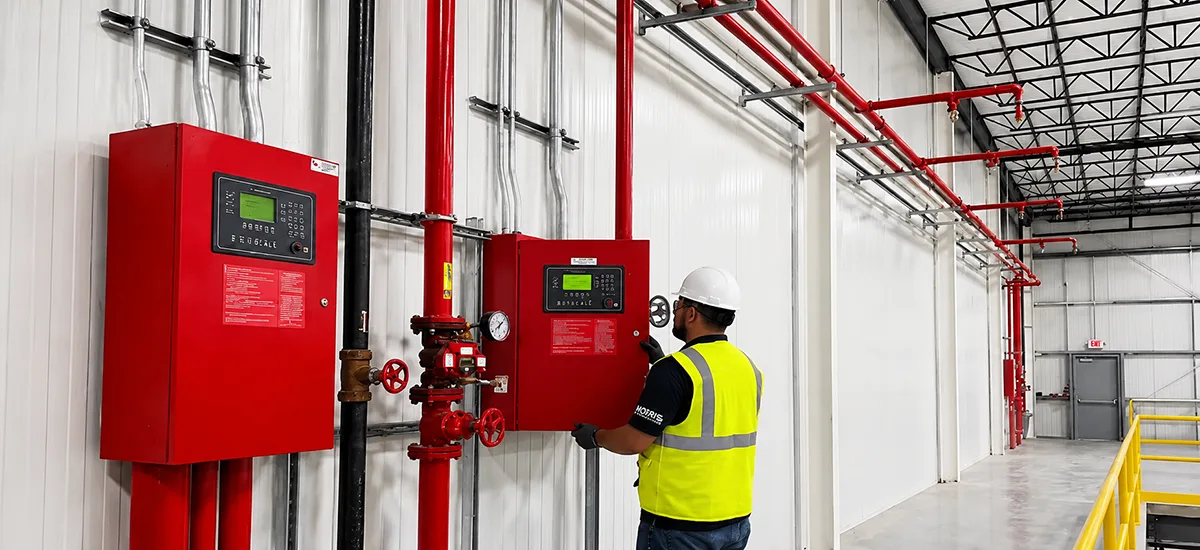
- Fire alarm control panel (FACP): This unit manages the entire system and monitors all connected devices.
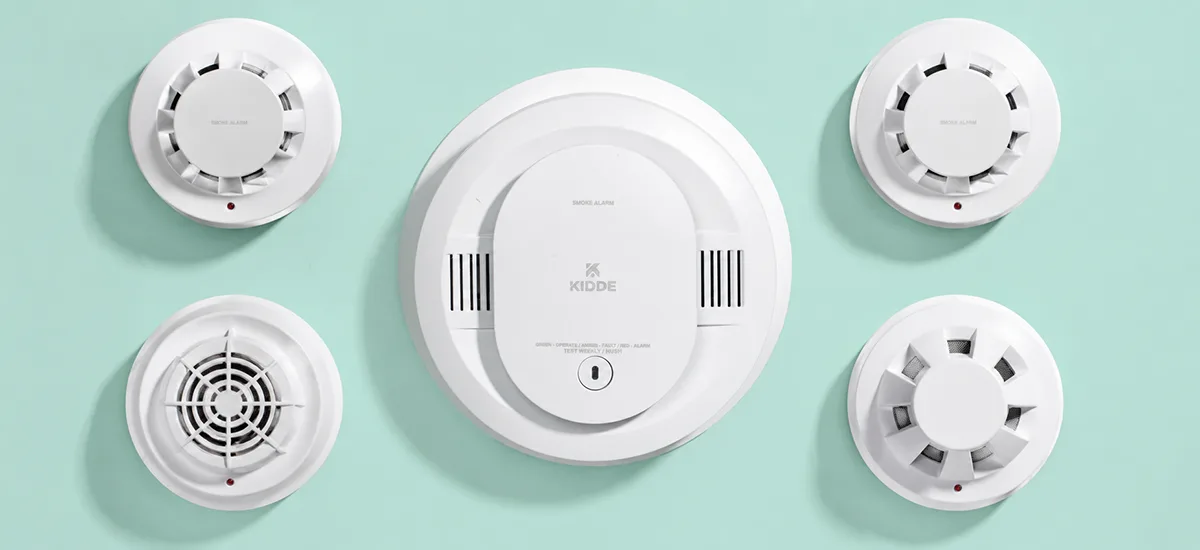
- Fire detectors (sensors): These devices detect fire signatures (such as smoke, heat, or flame) based on their specific sensing technology.
- Manual call points (manual pull stations): These devices are used to manually trigger the fire alarm system.
- Sounders, flashers and warning bells: These notification appliances provide audible and visual alarms to alert people to danger.
- Auxiliary / interface equipment: Auxiliary devices can include communication modules and other interfaces that add extended functionality to the system.
Main types of fire detection systems
Fire detection systems are generally classified into several main categories based on how they operate and how devices are interconnected.
Conventional fire alarm system
In a conventional system, devices are wired in separate zones. In the event of a fire, the activated zone is indicated on the control panel. These systems are typically used in small to medium‑sized premises, and their installation cost is usually more economical than other system types.
Addressable fire alarm system
In an addressable system, each field device has a unique address, and the fire alarm control panel can identify the exact location of the activated device. These systems offer higher accuracy and are widely used in large buildings and industrial or commercial projects.
Wireless fire alarm system
In wireless fire alarm systems, communication between devices is established without cabling and is carried out via radio or network communication. This type of system is a suitable option for buildings where cabling is difficult or undesirable (such as museums).
What is a fire suppression (fire extinguishing) system?
A fire suppression system is a part of the fire protection strategy that is designed to control or extinguish a fire. These systems are generally automatic and their main objective is to prevent fire spread and reduce related losses and damages.
Types of fire suppression systems
Fire suppression systems are classified according to their extinguishing method and extinguishing agent, including:
Sprinkler systems
Sprinkler systems are among the most common types of fire suppression systems and use water to control or extinguish fire. They are widely used in residential, office, commercial, and industrial buildings.
Foam fire suppression systems
In these systems, special firefighting foam is used to extinguish fire. Foam systems are mainly applied in environments where flammable liquids are present, such as refineries and oil & gas facilities.
Gaseous fire suppression systems
Gaseous suppression systems use clean agents such as FM‑200, CO₂, or inert gases to extinguish fire without damaging sensitive equipment. These systems are used in areas where water or foam could harm equipment and assets.
Chemical (dry or wet) fire suppression systems
In this type of system, dry or wet chemical agents are used to extinguish fire. Such systems are commonly used in commercial kitchens and, more broadly, in special‑purpose environments.
Difference between fire detection and fire suppression systems
Both fire detection and fire suppression systems are essential components of building safety, but they have different tasks and functions.
The fire detection (alarm) system is designed to quickly identify early signs of fire – such as smoke, heat, or flame – and, after detecting the hazard, to announce the occurrence of fire using sounders, visual indicators, or messages sent to people and control centers. This enables prompt evacuation and initial response. In fact, the fire detection system has a warning and preventive role, and its main objective is to reduce the risk to life by providing rapid notification.
In contrast, the fire suppression system is responsible for controlling or extinguishing the fire itself. It can operate manually or automatically and uses agents such as water, gas, foam, or chemical powder to control the fire and prevent its spread. For example, ceiling‑mounted sprinkler heads installed in many buildings are part of the fire suppression system, automatically activated when the temperature rises. Overall, the key difference between these two systems is that the fire detection system is intended for hazard detection and notification, while the fire suppression system is directly designed to combat and extinguish the fire.
Key points when selecting a fire detection and suppression system
Choosing the right system depends on the type of building, project use, and level of risk or hazard. When purchasing fire detection and suppression equipment, it is advisable to consider the following factors:
- Floor area and occupancy / use of the building
- Relevant standards and certifications
- System compatibility and interoperability of devices
- Brand quality and after‑sales support
- Potential for future system expansion
- Maintenance and repair costs
- Accuracy and response speed of the system
Requesting price quotations for fire detection and suppression equipment
Through the Qpket, you can easily request price quotations for various types of fire detection and suppression equipment from reliable suppliers and receive the best offers in the shortest possible time. This platform enables you to compare prices, review technical proposals, and purchase safety and firefighting equipment online.
To request quotations for fire detection and suppression equipment, simply register on the Qpket, select the required items, and submit your request for quotation. Our specialists will provide you, within less than 24 hours and through the platform, with the price lists of suppliers and distributors so that you can complete your purchase with greater confidence and at your desired price.
Conclusion
Ultimately, selecting an appropriate fire detection and suppression system and using certified, standard‑compliant equipment play a crucial role in enhancing safety and reducing losses caused by fire. The Qpket specialized platform, by enabling equipment comparison, quotation requests, and direct communication with safety and firefighting suppliers, has made the process of selecting and purchasing fire detection and suppression equipment faster and more efficient.