

الهه کمالی
September 2, 2026
Procurement of Fire Alarm Equipment
Types of Fire Alarm Equipment
Selecting and Procuring Fire Alarm Equipment
1. Assess Your Requirements
2. Research Local Regulations
3. Determine the System Type
4. Identify Required Equipment
5. Evaluate Reputable Suppliers
6. Ordering and Price Inquiry
Qpket: Your Specialized Platform for Fire Safety Procurement
Benefits of Online Procurement via Qpket
Conclusion
الهه کمالی
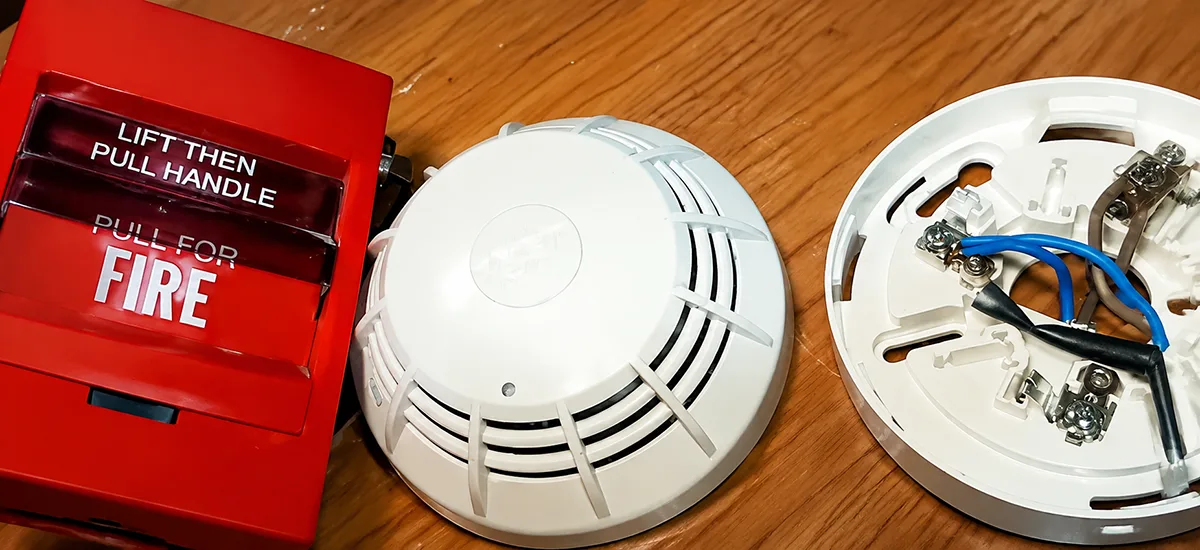
Fire alarm equipment consists of a wide range of devices that, when integrated, form a cohesive fire detection and alarm system (FDAS). An FDAS is a network of interconnected devices designed to detect the presence of smoke, heat, or flame and provide an audible and visual warning to occupants. In this article, we provide a comprehensive guide on the types of equipment available and the best practices for procuring them via Qpket.
Types of Fire Alarm Equipment
Broadly speaking, these systems comprise the following components:
- Fire Alarm Control Panel (FACP)
- Smoke Detectors
- Heat Detectors
- Multi-sensor (Smoke and Heat) Detectors
- Flame Detectors
- Gas Detectors
- Beam Detectors
- Aspirating Smoke Detection (ASD) Systems
- Manual Call Points (MCP)
- Fire Alarm Sounders
- Visual Notification Appliances (Strobes/Beacons)
- Combined Sounder-Beacons
- Remote Indicators (Annunciator lights)
- Emergency Exit Lighting
- Monitoring and Control Modules
- Ancillary Fire Alarm Accessories
Qpket is a specialized platform offering the most comprehensive and up-to-date range of fire alarm equipment from diverse global and domestic brands. Click on your desired category to view products and place your order.
Selecting and Procuring Fire Alarm Equipment
Selecting the appropriate detection and alarm equipment involves several critical factors. We outline the step-by-step process below:
1. Assess Your Requirements
Analyze the specific needs of your building or facility. Consider factors such as physical size, architectural complexity, and occupancy classification (industrial, commercial, or residential). This assessment is vital for determining the type and quantity of equipment required.
2. Research Local Regulations
Review local fire safety codes and regulations, as they dictate specific requirements for system installation and equipment standards. Ensure all chosen equipment complies with mandatory certifications. In Iran, design and installation must adhere to the requirements set by the Fire Department, the Institute of Standards and Industrial Research, and Article 3 of the National Building Regulations.
3. Determine the System Type
There are various FDAS topologies, including Conventional, Addressable, Intelligent, and Wireless systems. Each carries unique advantages and limitations. Choose a system based on your initial needs assessment, budget constraints, and recommendations from a fire safety engineer.
4. Identify Required Equipment
Once the system topology is defined, identify the necessary components. Ensure that every piece of field equipment is compatible with both the selected control panel and the overall system architecture. We highly recommend consulting with a certified specialist during this phase.
5. Evaluate Reputable Suppliers
Prior to procurement, research vendors or manufacturers. Key evaluation criteria should include market reputation, product warranties, technical support, customer service, and valid product certifications (e.g., UL, EN, VdS).
6. Ordering and Price Inquiry
Following the steps above, the final phase is placing an order and obtaining quotes. Sourcing the best pricing among selected vendors can be time-consuming due to market volatility and the sheer number of suppliers. The most efficient strategy is to utilize a specialized platform that aggregates information and streamlines this process.
Qpket: Your Specialized Platform for Fire Safety Procurement
Qpket acts as a technical reference and a specialized hub for the fire detection and suppression industry. We have transformed the traditional, time-intensive inquiry process into a fast and seamless experience. At Qpket, you have access to over 9,000 products from more than 120 brands. Leading manufacturers, authorized distributors, and reputable vendors are ready to provide competitive quotes.
To obtain the best pricing and experience direct procurement, simply register on the Qpket platform, select your equipment, and submit a Request for Quotation (RFQ). Supplier offers will be available in your user profile within 24 hours.
Are you a manufacturer, distributor, or supplier? Register as a vendor on our platform to reach a wider market, generate new business opportunities, and increase your sales.
Benefits of Online Procurement via Qpket
Online inquiry and procurement have become the industry standard for efficiency. In conventional methods, buyers often waste significant time contacting multiple vendors, comparing brands, and verifying technical specifications—a process that rarely yields transparent or direct comparisons. Online procurement via Qpket allows you to access a wealth of product data and pricing in a fraction of the time.
One of the primary advantages is the rapid access to a vast diversity of products in a single interface. You can compare detectors, control panels, sounders, modules, and more in one centralized location.
Furthermore, our online equipment comparison tool is invaluable. When you are uncertain which product best fits your technical requirements, this tool allows you to compare multiple items with a single click, ensuring an informed decision.
Conclusion
Procuring fire alarm equipment is far more than a simple purchase; it is a critical safety decision that must meet rigorous standards. As a specialized reference in the fire safety industry, Qpket removes market complexity and provides a direct, professional link to the industry’s top suppliers.