

الهه کمالی
September 2, 2026
Introduction to Methane Gas Detectors
What Is Methane Gas?
What Is a Methane Gas Detector?
Why Is Using a Methane Gas Detector Necessary?
Types of Methane Gas Detectors Based on Application
Portable Methane Gas Detector
Fixed Methane Gas Detector
Types of Methane Gas Detector Sensors
Pellistor or Catalytic Bead Sensors:
Infrared Sensors:
Semiconductor Sensors:
Open-Path Sensors:
Installation Conditions and Location of Methane Gas Detectors
Standards and Approvals for Methane Gas Detectors
Well-Known Methane Gas Detector Brands
Final Words: How Much Does a Methane Gas Detector Cost?
الهه کمالی
Methane gas is one of the most common flammable gases, and if it leaks and accumulates in an environment, it can create serious hazards such as fire, explosion, and even asphyxiation. In this article by Qpket, we introduce methane gas detectors, their types, applications, operating principles, installation locations, and the key points to consider when selecting this safety device, so that you can choose the right product for your intended environment with greater awareness.
What Is Methane Gas?
Methane gas (CH4) is a colorless, odorless, and highly flammable gas that is considered the main component of natural gas. Methane is produced through natural processes such as the decomposition of organic matter in landfills, wetlands, and rice fields. It is also extracted from underground reserves for use as a fuel source.
If the concentration of methane gas increases in enclosed spaces or if a large amount of it is released, it can ignite or even explode when it comes into contact with an ignition source, such as a small spark. Methane can also displace oxygen in enclosed spaces and lead to asphyxiation. For this reason, detecting methane gas leaks plays a vital role in preventing hazards such as explosion, fire, and oxygen deficiency in many environments. This is exactly the purpose for which methane gas detectors are designed.
What Is a Methane Gas Detector?
A methane gas detector, also commonly known as a methane gas sensor or methane gas leak detector, is one of the safety devices used in fire alarm and fire & gas detection systems to detect the presence of methane gas in the air. These detectors are widely used in industrial environments such as natural gas processing plants, refineries, and pipelines to monitor gas leaks and other potential hazards.
Methane gas detectors measure the concentration of this gas in the air in parts per million (ppm) or as a volume percentage (%vol). These detectors use different sensing technologies, including catalytic sensors, infrared sensors, and semiconductor sensors, to detect the presence of methane gas. When they detect a high concentration of gas in the air, they send an alarm signal to the control panel so that safety actions can be initiated.
Why Is Using a Methane Gas Detector Necessary?
The use of methane gas detectors is considered essential for several reasons, including the following:
- Prevention of accidents: Detectors help prevent accidents by quickly identifying gas leaks.
- Protection of personnel health: They help prevent methane-related oxygen deficiency and asphyxiation hazards, creating a safer working environment for personnel.
- Compliance with safety standards: The use of gas detectors is part of the legal and safety requirements for ensuring safety in workplaces.
Types of Methane Gas Detectors Based on Application
In terms of application, methane gas detectors are divided into fixed and portable types. The details of each type are explained below.
Portable Methane Gas Detector
Portable methane gas detectors are small, handheld devices used to detect the presence of methane gas in the air. These devices are used by emergency responders, workers, technicians, and other personnel who need to quickly identify methane gas in different environments.
Fixed Methane Gas Detector
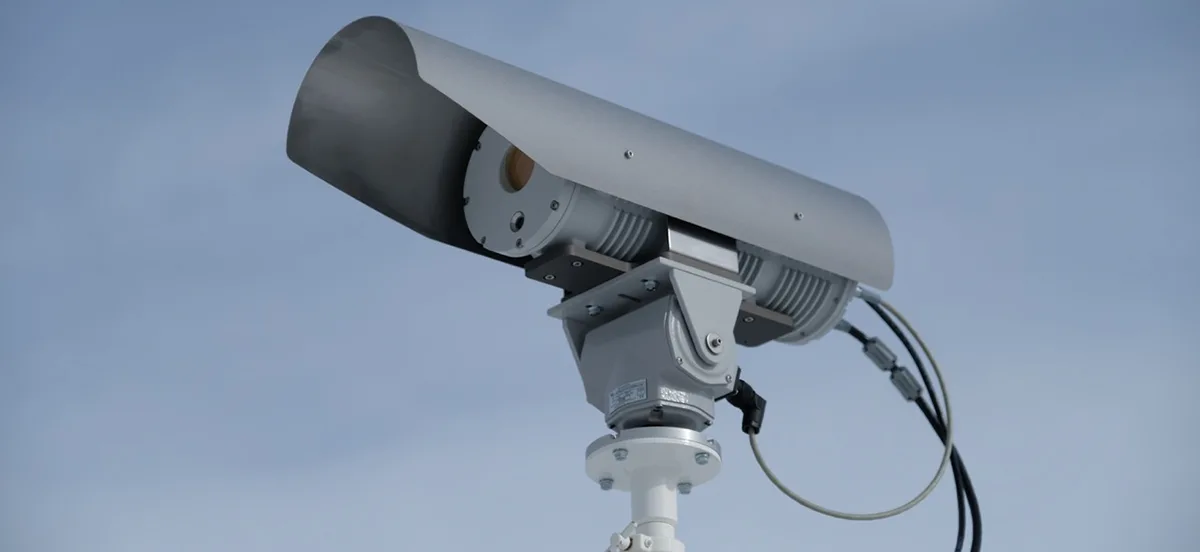
Fixed methane gas detectors are designed for permanent installation in a specific location, such as a natural gas processing plant, refinery, or pipeline. These detectors are connected to a central monitoring system, usually a control panel, and continuously monitor methane gas levels in the environment. This type of detector is widely used in gas and fire monitoring systems, commonly known as F&G systems.
Fixed detectors are generally divided into the following three types:
- Fixed explosion-proof gas detector
- Open-path explosion-proof gas detector
- Aspirating gas detector
By entering each category on Qpket, you will have access to a wide range of products and can easily select and purchase the product you need.
Types of Methane Gas Detector Sensors
Methane gas detectors use different types of sensors to detect the presence of methane gas in the air. Some of the most common sensing technologies used for methane detection are introduced below.
Pellistor or Catalytic Bead Sensors:
Pellistor sensors consist of a small bead coated with a catalyst that reacts with methane gas. When methane is oxidized on the catalytic bead, heat is generated, causing a measurable change in the electrical resistance of the sensor. This change is then measured and used to detect the presence of methane gas.
Infrared Sensors:
These sensors emit infrared light and measure the amount of light absorbed by the gas. The level of absorbed infrared light is proportional to the concentration of methane gas in the air. Infrared sensors are highly sensitive and can detect methane gas even at very low concentrations.
Semiconductor Sensors:
These sensors use a small semiconductor element to detect the presence of methane gas in the air. Methane causes a change in the electrical conductivity of the semiconductor material, and this change is measured and used to identify the presence of methane gas.
Open-Path Sensors:
These sensors use a beam of light to detect the presence of methane gas in the air. Open-path sensors transmit a light beam across a defined area, and methane gas present in the path of the beam absorbs part of the light. The sensor then measures the amount of absorbed light and uses this information to determine the concentration of methane gas in the air.
Installation Conditions and Location of Methane Gas Detectors
Methane gas detectors should be installed in locations where there is a possibility of gas leakage or accumulation. The exact installation conditions and location may vary depending on the application, but the following are some general guidelines:
- Height and location: Methane gas detectors should be installed at a height and location where they can effectively detect gas leaks or gas concentrations that may be present in the air.
- Proper ventilation: Methane gas detectors should be installed in areas with suitable ventilation to ensure that the gas can be properly detected. If the area has poor ventilation, additional ventilation equipment may be required to ensure the correct operation of the detector.
- Calibration: Methane gas detectors must be calibrated according to the manufacturer’s instructions to ensure accurate performance.
- Maintenance: Maintenance of gas detectors includes cleaning the detector, checking the sensor, and replacing batteries or other components when necessary.
Standards and Approvals for Methane Gas Detectors
Manufacturers of methane gas detectors must comply with specific standards and obtain relevant approvals in order to be authorized to supply their products to the market. Some of the most important standards and approvals include:
- UL 2075
- ATEX
- IECEx
- FM
Well-Known Methane Gas Detector Brands
Some of the well-known brands that manufacture methane gas sensors and detectors include:
- Honeywell
- MSA
- Dräger
- Sensitron
- Crowcon
- Simtronics
- Firefly
- Oggioni
- Det-Tronics
Final Words: How Much Does a Methane Gas Detector Cost?
Qpket, as the first specialized platform for buying and selling safety and firefighting equipment, provides professionals in this field with the ability to review technical specifications, compare products, receive online technical proposals, request price quotations, and purchase products directly without intermediaries at the lowest possible price.