

الهه کمالی
September 2, 2026
Installation Regulations for Fire Alarm System Components
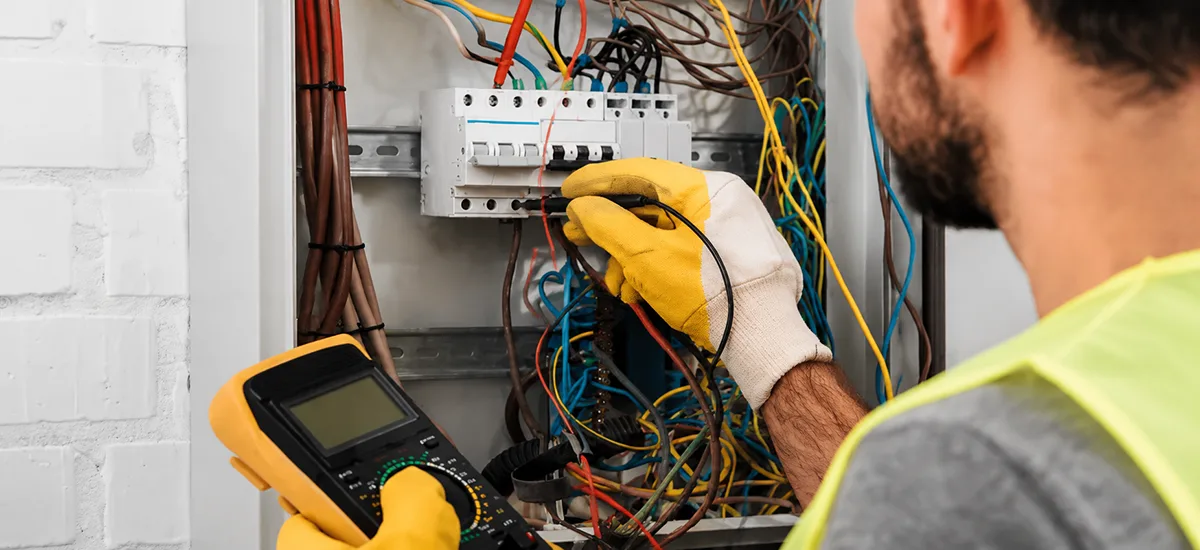
What Do the Requirements and Regulations for Installing Fire Alarm System Components Entail?
Regulations for Installing Smoke Detectors
Regulations for Installing Linear Smoke Detectors (Beam Detectors)
Installation Requirements for Fixed Thermal Detectors
Regulations for Installing Rate-of-Rise Thermal Detectors
Regulations for Installing Flame Detectors
Installation Conditions for Manual Call Points
Standard for Installing Fire Alarm Sounders and Flashers
Installation Requirements for Fire Alarm Control Panels
Cabling Regulations for Fire Alarm Systems
Regulations for Installing Batteries and Power Supplies
Fire Alarm Maintenance
Conclusion
الهه کمالی
The ever-increasing need for safety and fire alarm systems in industries and buildings has made the installation and implementation of these systems a legal requirement. In this article from Qpket, we will explain the comprehensive rules and regulations for installing fire alarm system components.
What Do the Requirements and Regulations for Installing Fire Alarm System Components Entail?
The regulations for installing fire alarm system components are a set of technical standards and requirements that must be followed to ensure rapid fire detection, timely hazard notification, and proper system function in emergency situations. It should be noted that these regulations are developed based on standards such as NFPA, BSI, and national building codes.
To access the complete rules and regulations for installing fire alarm system components, you should visit the website of your local fire department and download the requirements booklet. However, we will cover the general rules and requirements below.
Regulations for Installing Smoke Detectors
Smoke detectors are designed to detect airborne smoke particles and are typically used in office, residential, educational, and commercial spaces. Due to their high detection speed, these detectors are among the most common fire alarm devices.
The regulations for installing smoke detectors include:
- They must be installed directly on the ceiling, as smoke rises with heat.
- The minimum distance from a wall must be 50 cm to avoid placement in a dead air zone.
- If wall installation is necessary, the distance from the ceiling should be between 10 and 30 cm.
- The distance between two detectors should not exceed 9 to 10 meters.
- Their spacing in corridors should be a maximum of 15 meters.
- They should not be installed within 1 meter of ventilation openings, air conditioners, or fans.
- On sloped ceilings, they should be installed near the roof ridge.
- They should not be installed in spaces with steam, dust, or natural smoke.
Regulations for Installing Linear Smoke Detectors (Beam Detectors)
Beam detectors detect the reduction in light intensity caused by smoke by sending and receiving infrared beams and are suitable for large areas. Their installation requirements are as follows:
- They must be installed at a high elevation.
- The appropriate distance from the ceiling is usually between 30 and 60 cm.
- The transmitter and receiver must be placed directly opposite each other.
- There should be no obstructions in the path of the beam.
- Structural vibrations should not cause the beam path to shift.
- They should not be exposed to direct sunlight.
- The detector lenses must be cleaned periodically.
- They are suitable for spaces with heights exceeding 12 meters.
Installation Requirements for Fixed Thermal Detectors
These detectors activate when the ambient temperature exceeds a specified limit. The regulations for installing fixed thermal detectors are:
- They must be installed on the ceiling and near the center of the space.
- The distance from the wall must be at least 50 cm.
- They should not be installed near permanent heat sources like heaters or steam pipes.
- The maximum distance between two detectors should be about 7 meters.
- They should not be installed in environments with sudden temperature changes.
Regulations for Installing Rate-of-Rise Thermal Detectors
Unlike the previous type (fixed thermal detectors), this type of detector is sensitive to a rapid increase in temperature. Their installation regulations are as follows:
- They must be installed on the ceiling.
- They should be kept away from direct airflow.
- They should not be used in environments where the temperature naturally changes rapidly.
- The installation distance should be similar to that for fixed thermal detectors.
Regulations for Installing Flame Detectors
Flame detectors are designed to directly detect radiation emitted by flames and are primarily used in industrial environments, storage areas for flammable materials, and high-risk spaces. Unlike smoke and heat detectors, these devices require a direct line of sight to the protected area.
During installation, the detector’s viewing angle and its coverage area must be precisely assessed. The presence of pillars, industrial equipment, walls, or any physical obstruction can impair its performance. Furthermore, these detectors should not be exposed to intense light sources or optical reflections, as this can lead to false detections.
Installation Conditions for Manual Call Points
Manual call points are used for manual activation of the fire alarm system by building occupants. These devices must be installed in locations that are accessible during an incident. Some of the regulations for installing manual call points include:
- A manual call point must be located on the accessible side of every exit door and on each level of the building.
- Manual call points must be located along the exit access route, within a maximum of 200 feet (61 meters) from any point inside the route to the nearest manual contact.
- Call points should be installed between 42 and 48 inches (107 to 122 centimeters) above the floor and be accessible to individuals with disabilities.
- Manual call points must be situated in areas that are easily accessible and visible to building occupants.
- Manual call points must be clearly marked with a sign or label indicating their purpose and function.
- The sign or label must be placed within 5 feet (1.5 meters) of the manual call point and be easily visible and legible.
- The sign or label must comply with the requirements of the applicable building code or standard.
Standard for Installing Fire Alarm Sounders and Flashers
Fire warning devices must be positioned so they are easily visible or audible to building occupants. The installation requirements for these devices include:
- Sounders and flashers must be located in every room or area of the building, including corridors, stairwells, and other common areas.
- These devices should be mounted on the ceiling or wall, maintaining a minimum distance of 6 inches (15 centimeters) from any adjacent wall or ceiling.
- These devices should be distributed uniformly throughout the building, ensuring a sound level at least 15 decibels above the ambient noise level.
- Warning systems must be installed in locations protected from damage or tampering.
- Fire alarm sounders and flashers should be installed at a height between 80 and 96 inches (203 to 244 centimeters) from the floor, measured to the top of the device.
Installation Requirements for Fire Alarm Control Panels
The control panel is the command center of the fire alarm system, displaying all information regarding the status of the equipment. Standard NFPA 72 provides stringent requirements for the installation of fire alarm control panels. These rules are as follows:
- The fire alarm control panel must be located in a place that, in addition to being accessible, is restricted to authorized personnel, such as a control room, lobby, or other secure areas.
- Control panels must be installed in a manner that protects them from vibration, extreme temperatures, or other factors that could affect their performance.
- These devices must be durably and securely mounted in their location to ensure they remain safely in place.
- Control panels should be installed at a height between 48 and 60 inches (122 to 152 centimeters) from the floor, measured to the center of the panel.
Cabling Regulations for Fire Alarm Systems
Cabling is the backbone of a fire alarm system, and its installation method directly impacts the system’s performance. Cabling must be performed as follows:
- Fire-resistant cables must be used.
- The fire alarm cable path must be separate from power cables.
- Wires and cables must be routed through protective conduits or tubing.
- All cables must be numbered and labeled.
Regulations for Installing Batteries and Power Supplies
The operation of the fire alarm system must remain stable even during emergencies and power outages. Therefore, all fire alarm systems are equipped with an emergency power supply. Requirements related to the emergency power source include:
- The battery must have sufficient capacity to supply power to the system in both standby and alarm modes.
- It must be installed in a dry, well-ventilated environment.
- The power source must be periodically tested and inspected.
- Backup batteries must be protected against excessive temperature and humidity.
Fire Alarm Maintenance
Compliance with installation standards is only the first step in ensuring the proper performance of a fire alarm system. After installation, a regular testing and maintenance schedule must be established to ensure the system remains fully operational. All detectors should be inspected periodically to verify their functionality and ensure accurate detection performance. In addition, the control panel must be checked to confirm the correct display of zone status, proper alarm transmission, and reliable circuit operation.
Backup batteries should also be tested at specified intervals to ensure they can provide sufficient power during a mains power failure. Routine cleaning of detectors, inspection of wiring and cabling, verification of sounders and visual alarm devices, and documenting inspection results in service reports are among the key maintenance requirements of a fire alarm system. Performing these measures helps extend equipment lifespan, reduce false alarms, and ensure the system is fully prepared to respond effectively in emergency situations.
Conclusion
In summary, adherence to the installation regulations for fire alarm system components is the primary condition for rapid incident detection and the prevention of damage or harm. In addition, to ensure optimal performance and safety of the fire alarm system, equipment should be purchased from reputable sources.
Qpket offers a wide range of standard products compliant with the latest regulations, providing the best options tailored to your needs.