
الهه کمالی
September 2, 2026
Everything about Carbon Monoxide (CO) Detectors
What is CO (Carbon Monoxide)?
What is Carbon Monoxide Poisoning?
What Are the Symptoms of Carbon Monoxide Poisoning?
What Is a Carbon Monoxide Detector?
Applications of Carbon Monoxide Detectors
Types of Sensors Used in CO Detectors
Biomimetic Sensors
Electrochemical Sensors
Metal Oxide Semiconductor (MOS) Sensors
Combination Sensors
Well-Known CO Gas Detector Brands
Key Factors in Selecting and Purchasing a CO Detector
Final Note
الهه کمالی
You have probably heard many times about carbon monoxide and its lethal hazards. To detect and prevent leaks of this dangerous gas in industrial and high-risk environments, carbon monoxide detectors have been developed. In practice, when the concentration of this gas reaches a dangerous threshold, the detector issues an alarm—giving people time to evacuate and seek fresh air. Below, we take a closer look at this detector.
What is CO (Carbon Monoxide)?
Carbon monoxide, represented by the chemical formula CO, is a colorless and odorless gas composed of one carbon atom and one oxygen atom. Incomplete combustion of carbon-based fuels such as gasoline, natural gas, propane, oil (kerosene/fuel oil), and wood leads to the production of CO. Carbon monoxide is highly toxic; inhaling it in high concentrations can cause serious health problems or even death.
What is Carbon Monoxide Poisoning?
As mentioned, carbon monoxide is an extremely toxic gas and can be fatal when inhaled at high concentrations. When CO is breathed in, it binds to blood hemoglobin in place of oxygen, reducing the amount of oxygen that can be delivered to the body’s organs and tissues. When this occurs, the blood can no longer carry sufficient oxygen, resulting in cell and tissue death.
The risks associated with carbon monoxide leakage and accumulation include:
- Carbon monoxide poisoning
- Risk of fire and explosion
- Health complications
- Loss of consciousness, seizures, and coma
What Are the Symptoms of Carbon Monoxide Poisoning?
Carbon monoxide is often called the “silent killer”, because it is impossible to detect without specialized equipment. Carbon monoxide poisoning may cause the following symptoms:
- Headache
- Dizziness
- Nausea
- Confusion
- Chest pain
- Shortness of breath
In severe cases, carbon monoxide poisoning can lead to loss of consciousness, brain damage, and death.
What Is a Carbon Monoxide Detector?
A carbon monoxide (CO) detector is a device designed to detect the presence of carbon monoxide gas in the air. This detector works by measuring the level of CO in the ambient air; if the concentration exceeds a defined threshold, it activates an alarm. Carbon monoxide detectors are an important safety device that helps prevent workplace incidents and accidents.
Most CO detection devices use electrochemical sensors to detect carbon monoxide. These sensors contain a chemical substance that reacts with CO and generates an electrical signal, which then triggers the alarm outputs.
Applications of Carbon Monoxide Detectors
The most common applications of this detector include:
- Parking lots and covered/underground garages
- Boiler rooms and mechanical/equipment rooms
- Factories
- Refineries
- Other industrial environments
Types of Sensors Used in CO Detectors
There are several sensor technologies used for carbon monoxide (CO) detection:
Biomimetic Sensors
Biomimetic sensors use a gel or liquid that changes color when exposed to carbon monoxide. This gel/liquid is designed to mimic the reaction of blood hemoglobin to CO. When the gel or liquid absorbs carbon monoxide, its color changes and signals danger. Biomimetic sensors are generally cheaper than electrochemical sensors, but they are less accurate and may be affected by temperature and humidity.
Electrochemical Sensors
Electrochemical sensors use a chemical reaction to detect the presence of CO. The sensor contains electrodes immersed in a chemical solution. When carbon monoxide comes into contact with the electrodes, a chemical reaction occurs and generates an electrical current. The magnitude of this current is proportional to the CO concentration in the air and is used to trigger alarms.
Metal Oxide Semiconductor (MOS) Sensors
A Metal Oxide Semiconductor (MOS) sensor is a type of gas sensor that detects carbon monoxide by measuring changes in the electrical resistance of a metal-oxide layer. These sensors operate based on the interaction of the gas with a sensitive surface at a specific temperature. When CO is present, the material’s conductivity changes, and this change is measured as the alarm signal.
Combination Sensors
In addition to the sensor types above, there are also combination sensors capable of detecting multiple gases, including carbon monoxide, methane, and propane. These sensors are used in industrial and high-risk environments where multiple gases may be present.
Well-Known CO Gas Detector Brands
Many brands of carbon monoxide (CO) detectors are available on the market, each with its own features and designs. Some of the most well-known CO detector brands include:
- Edwards
- Apollo
- Honeywell
- Syncoln
- Sense
- Crowcon
- Sensitron
- Oggioni
Key Factors in Selecting and Purchasing a CO Detector
When purchasing a CO detector, there are several factors to consider, such as:
- Sensing technology: Review which sensing technology—among those mentioned (electrochemical, MOS, etc.)—is more suitable for your application, and select accordingly.
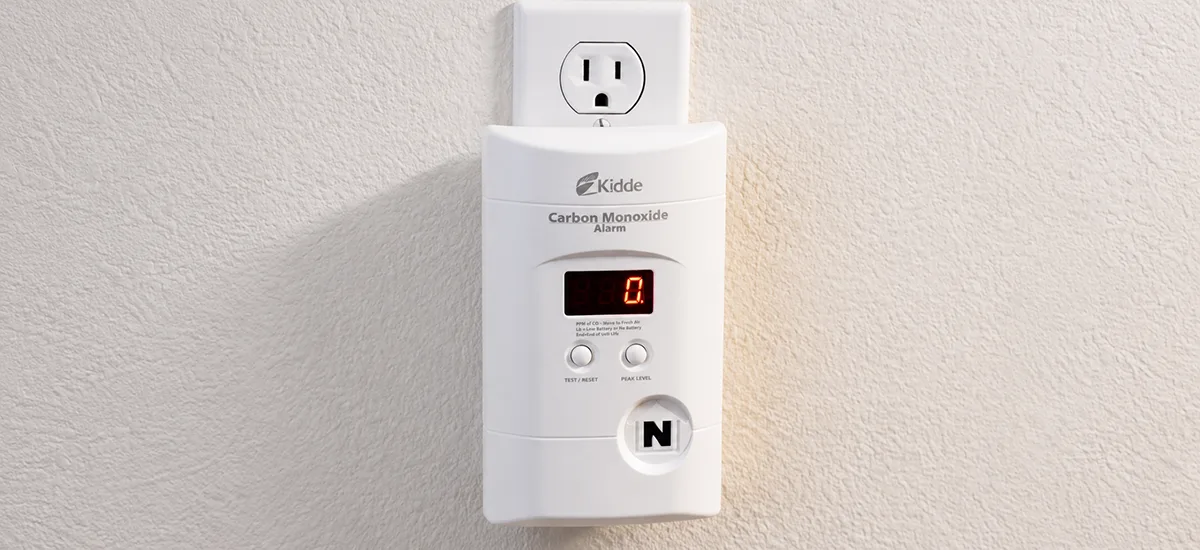
- Power supply: CO detectors are generally available in plug-in and battery-powered models. Plug-in models connect to a power outlet and typically include a backup battery in case of power failure. Battery-powered models operate on batteries and can be installed easily in various locations.
- Display and alarm: Look for a carbon monoxide detector with a digital display that shows the CO level in parts per million (ppm).
- Certifications: If you are purchasing a detector for high-risk or industrial use, it should have the required approvals such as FM, UL, and ATEX.
- Maintenance: Choose a detector that is easy to maintain and provides clear instructions for testing and battery replacement.
- Compatibility: Select detectors that are compatible with your overall safety system and can be monitored/controlled via a mobile application or other methods.
Final Note
By now, we have covered the importance of using carbon monoxide detectors and the key points related to them. To obtain pricing for this equipment, simply add your desired product to your cart on Qpket and submit a quotation request.